
If you have an employee who drives their personal vehicle for a work related matter, it is the norm to reimburse the employee for the business-related use. It is a straight forward calculation by taking into consideration how many miles the person drove and multiplying it by a rate. The IRS even publishes a standard mileage rate of .58 cents per mile (2019). But what if that employee uses their mobile personal device (aka cell phone) in a Bring Your Own Device (BYOD) workplace? As employers implement paperless, streamlined, and automated solutions to their work environment, we are finding that…
Posts published in “Time & Attendance”
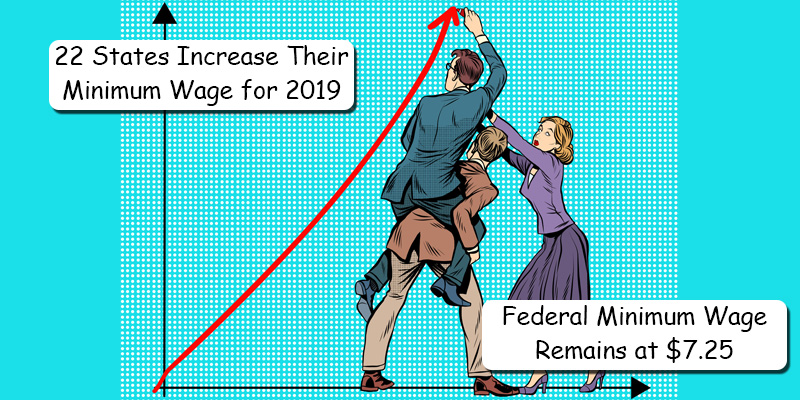
While the Federal minimum wage remains at $7.25 per hour, 22 states and many cities/locals have set increases effective January 1st, 2018 with a few announcing a July 1st, 2019 increase, and New York with a December 31st, 2018 increase. A list of each state/local, along with the new hourly rate is listed below; All rates are effective January 1st, 2019 unless otherwise noted. Alaska: $9.89 an hour Arizona: $11.00 Flagstaff: $12.00 Arkasnsas: $9.25 California: $12.00 for businesses with 26 or more employees; $11.00 for businesses with 25 or fewer employees Alameda: $13.50 Belmont: $13.50 Cupertino: $15.00 El Cerrito: $15.00 Los Altos: $15.00 Los Angeles: (7/1/2019) $14.25 for businesses with 26 or more employees;…
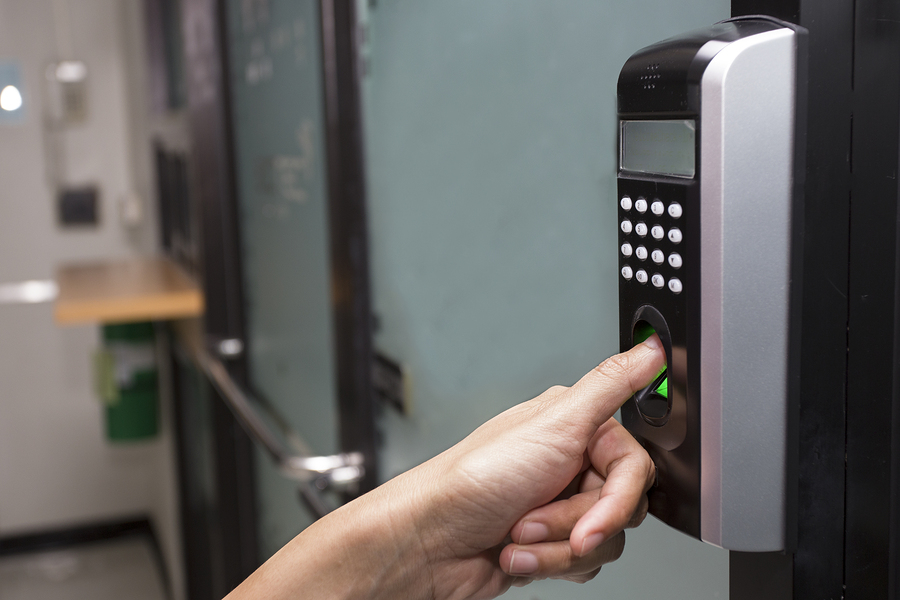
A biometric recognition timeclock is a great way to assure that the employee who is ‘on the clock’ is actually the one on-site and performing work, as it utilizes a part of the person’s body as their verification. In mainstream practice, I find two main types of biometric clocks; hand recognition and fingerprint recognition. In this article, I will discuss a few pros and cons, and how reliable they are in making a positive id. First up is hand recognition. The device is the HandPunch clock which reads the unique geometry of each person’s hand. Contrary to popular belief, it…